
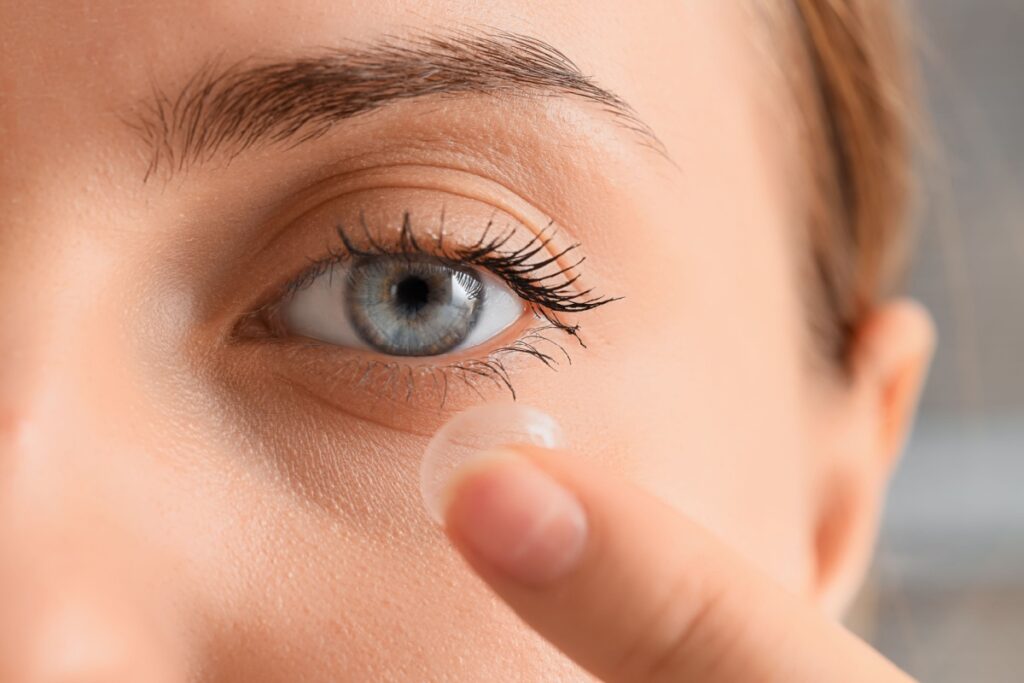
You put in your contact lenses and feel that familiar, yet unsettling, little slip. Your vision blurs for a moment before you blink it back into focus. It makes you wonder if your contacts are supposed to move around or if something is wrong with their fit.
Our team at Brighton Eyecare can help you find the right answer. A small amount of movement is not only normal, it is necessary for a healthy eye, but too much shifting can be a sign that your lenses are not the right fit for you. Understanding the difference is a key part of successful contact lens fittings and helps you enjoy comfortable vision.
Why a Contact Lens Might Shift
A Little Movement Is Expected
When you blink, your contact lens should move just a tiny bit. This slight motion is actually a good thing. It allows your natural tears to flow underneath the lens, washing away debris and delivering fresh oxygen to your cornea.
This circulation is important for keeping your eyes feeling fresh and healthy throughout the day. Without it, your eyes could become dry or uncomfortable. So, a lens that stays completely still is not ideal.
Signs of an Improper Fit
Excessive movement, however, is a different story. If your lens shifts so much that it affects your sight or comfort, it may be a sign of a poor fit. You might notice:
- Blurry or unstable vision that changes when you blink
- A constant feeling that something is in your eye
- Feeling the edge of the lens with your eyelid
- General discomfort or irritation
The Role of a Professional Contact Lens Fit
Measure Your Eye’s Unique Shape
Your eyes are as unique as your fingerprints. That is why a one-size-fits-all approach does not work for contact lenses. During professional contact lens fittings, an optometrist takes precise measurements of your cornea’s curvature and size.
These details help determine the right lens diameter and shape to sit securely on your eye. A lens that matches your eye’s specific contours is more likely to stay in place and provide consistent, clear vision.
Choose the Right Lens for Your Needs
Beyond fit, your lifestyle and eye health significantly influence which contact lenses will work best for you.
Lens Materials Matter
Modern contact lenses use different materials designed for specific needs:
- Silicone hydrogel lenses allow more oxygen to reach your cornea, making them ideal for extended wear or long days in front of screens
- High water content lenses provide initial moisture but may contribute to dryness in some wearers as the day progresses
- Low water content options can actually retain moisture better for people with naturally dry eyes
Replacement Schedules
How often you replace your lenses affects both comfort and eye health:
- Daily disposables: Fresh lenses every day with no cleaning required—ideal for people with allergies or those prone to protein buildup
- Bi-weekly or monthly lenses: More economical but require consistent cleaning and proper storage
Specialty Lenses for Specific Conditions
Your optometrist can recommend specialized options including:
- Toric lenses for astigmatism, which stay oriented correctly on your eye to provide clear vision
- Multifocal contacts for presbyopia (difficulty focusing up close after age 40)
- Myopia control lenses for children whose nearsightedness is progressing
- Scleral lenses for severe dry eye, irregular corneas, or high prescriptions
If you spend significant time on screens or experience end-of-day dryness, your optometrist can select lenses with features that support your specific visual demands and comfort needs.
How Dry Eyes & Allergies Affect Your Lenses
When Dryness Causes Friction
When your eyes lack enough moisture, the surface of your eye isn’t smooth enough for a lens to glide over comfortably. This friction can make your lens feel like it’s sticking or moving improperly. You might also experience:
- A gritty or sandy feeling, especially late in the day
- Redness or a tired sensation in your eyes
- Lenses that feel stuck and are difficult to remove
If you experience persistent dryness that affects your contact lens comfort, switching to a different lens material or wearing schedule may help. Daily disposable lenses can be particularly beneficial since you start with a fresh, clean lens every day.

Seasonal Allergies & Lens Discomfort
Pollen, dust, and other allergens can make your eyes itchy and watery. These allergens can also stick to the surface of your contact lenses, creating protein deposits. This buildup not only makes your lenses uncomfortable but can also interfere with how they fit and move on your eye, sometimes leading to conditions like allergic conjunctivitis.
Tips for Stable & Comfortable Lens Wear
Handle Your Lenses With Care
Good habits can prevent many common contact lens problems. Proper handling keeps your lenses clean and in good condition, which supports a comfortable fit. For a helpful guide, you can review these steps for wear and care.
- Wash and dry your hands thoroughly before touching your lenses.
- Use fresh contact lens solution every single time, never top off old solution.
- Avoid letting your lenses or case come into contact with tap water.
Follow Your Replacement Schedule
It can be tempting to stretch an extra day or week out of your lenses, but this can affect their performance, and can even be dangerous. Whether your lenses are daily, bi-weekly, or monthly, they are designed to be discarded on schedule. Over time, lenses can warp or accumulate deposits that lead to a poor fit and problems like eye infection. We make it easy to always have fresh lenses on hand with our online ordering system. Set up automatic delivery so you never run out or have to make an extra trip.
When to Book an Eye Exam
If You Notice Sudden Changes in Vision
If your lenses suddenly start moving more than usual or you experience new discomfort, it is time to have your eyes checked. Pay attention to any new or persistent symptoms, such as:
- A noticeable increase in lens movement
- Pain, sharp stinging, or significant redness
- Sudden blurry vision that does not clear with blinking
Your Annual Check-Up at the Brighton Eyecare
Regular eye exams are essential for comfortable contact lens wear. An annual visit confirms your prescription is up to date and gives your optometrist a chance to assess your overall eye health. It’s also the perfect time to discuss any discomfort and explore different lens materials, wearing schedules, or updated fitting measurements.
If your contacts move excessively or feel uncomfortable, schedule an appointment at Brighton Eyecare. We can reassess your fit and help you find lenses that work better for your eyes.