

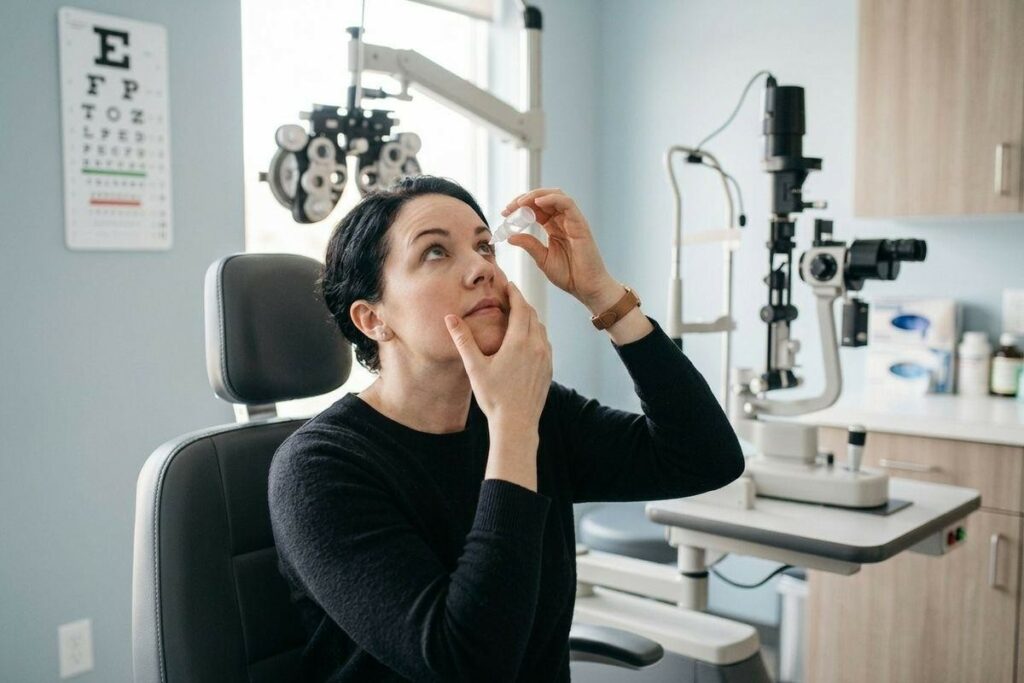
Managing irritated, red, or dry eyes is incredibly frustrating, especially when you just want to get through your workday. Reaching for a quick remedy feels like the most practical way to find comfort.
But at some point, you might notice your eyes aren’t actually getting better and may even feel worse. Yes, you can use eye drops too often, and doing so can make the exact symptoms you’re trying to manage significantly harder to treat.
When Eye Drops Help and When They Hurt
Eye drops are designed to provide temporary relief from dry eye, and they do this job well. For occasional dryness after a long day at a computer or mild irritation from the wind, they offer a helpful fix. The problem arises when this temporary fix turns into a daily habit you struggle to break.
More drops don’t always mean more relief. In fact, with certain types of drops, reaching for the bottle more often can work against you. Your eyes can become dependent on the drops to feel normal, which means stopping them feels worse than never starting them.
Signs You May Be Using Drops Too Frequently
It’s completely natural to want immediate comfort when your eyes bother you. If you use drops regularly and your eyes still feel off, it’s worth paying closer attention. Overuse doesn’t always look dramatic and can involve subtle changes.
Watch out for these common signs:
- Redness that returns shortly after the drops wear off
- Blurry vision or excessive watering after application
- Eyes that feel more irritated, not less, over time
Rebound Redness Explained
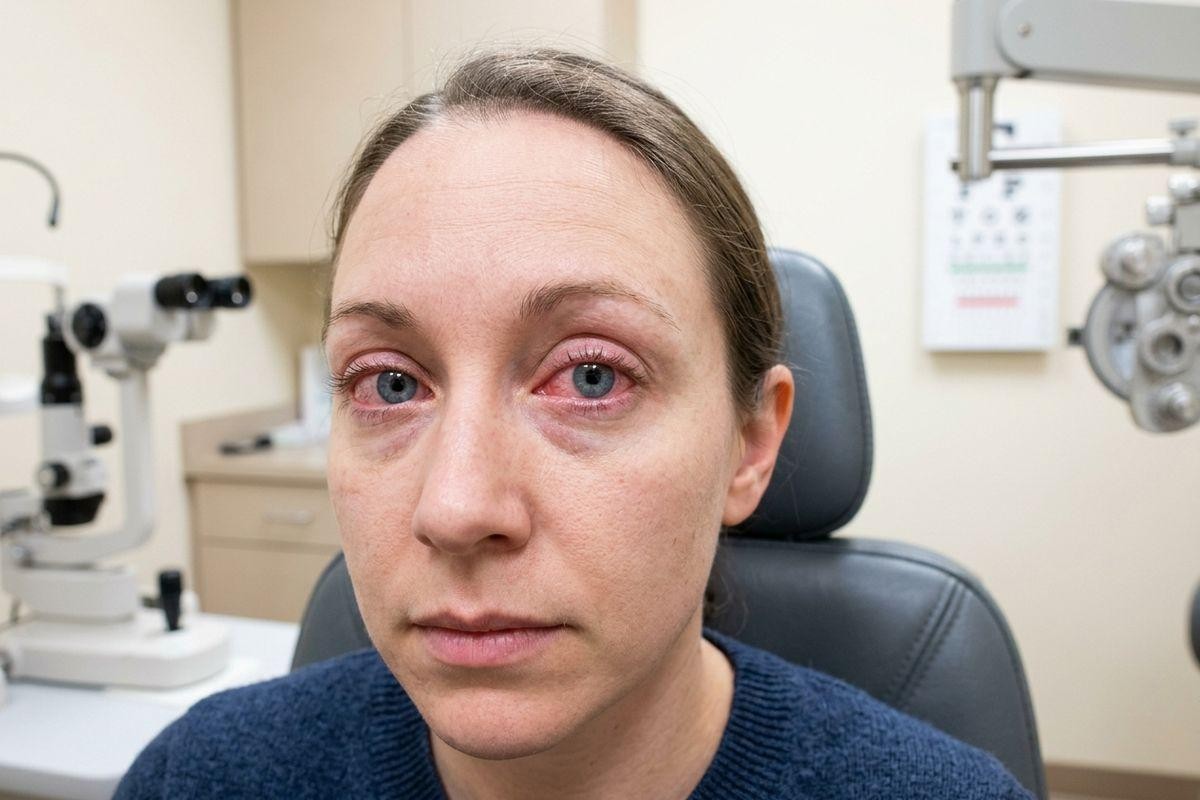
Redness-relief drops work by constricting the blood vessels in your eyes. This clears up the red appearance quickly, which feels like a great outcome. But once the drops wear off, those same blood vessels can dilate even larger than they were before.
Your eyes may end up looking redder than when you started, prompting you to use more drops. This frustrating cycle is called rebound redness, and it’s a common consequence of relying heavily on these specific products. Break the cycle to give your eyes a chance to recover.
How Often Is Too Often for Eye Drops?
Most standard over-the-counter options contain preservatives to help extend the shelf life of the bottle. These are fine for occasional use but can irritate the surface of your eye when applied too frequently.
Limit your use to no more than 4 times per day. Frequent exposure to these preservatives may cause surface irritation, especially in sensitive eyes.
Preservative-free alternatives usually come in single-use vials and are generally a safer option if you need relief throughout the day. They tend to be gentler on the eye’s surface, making them a practical choice for managing ongoing dry eye discomfort.
Switch to a preservative-free option if you find yourself needing relief multiple times a day.
What Your Eye Drops Might Be Hiding
Reaching for drops constantly isn’t just a habit problem. It can also be a sign that something else is going on. Drops treat the surface of the eye, but they don’t address what contributes to the discomfort underneath. If your eyes constantly feel dry or red, you might be covering up the real problem.
Your symptoms could be pointing toward several underlying issues:
- Dry eye syndrome, which often needs proper dry eye therapy rather than short-term hydration
- Seasonal or environmental allergies that respond better to targeted treatment
- Blepharitis, a condition involving inflammation along the eyelid margins
- Eye strain from screen use
Give Your Eyes a Break
If digital eye strain plays a role in your discomfort, building a simple habit can help. Follow the 20-20-20 rule to help reduce the fatigue that contributes to dryness.
Every 20 minutes, take a moment to look at something about 20 feet away for 20 seconds. Even a brief pause gives your eye muscles a rest and offers a low-effort way to support your daily comfort during the workday.
Long-Term Options Beyond Eye Drops
There are real alternatives to managing everything with drops. A comprehensive eye exam can help identify whether your symptoms are tied to a specific condition. From there, a personalized plan can make a meaningful difference. Treatments could include:
- A dry eye assessment to identify whether you’re dealing with aqueous deficiency, evaporative dry eye, or a combination of both
- Medicated eye drops like Restasis or Xiidra that stimulate natural tear production rather than just hydrating the surface
- A contact lens fitting review to check whether your current lenses are contributing to the irritation
Put the Drops Down and See Clearly
You don’t have to settle for managing everything with temporary fixes. A comprehensive exam can help identify whether your symptoms are tied to a specific condition and put you on the path to relief.
Stop relying on temporary solutions that don’t seem to be helping. Book an appointment with Brighton Eyecare in Saskatoon to figure out what’s actually behind your discomfort and take the next step toward lasting relief.